

Most orthodontic treatment takes between 12 and 24 months. Braces typically run 18 to 24 months, clear aligners often finish in 12 to 18, and early treatment for younger kids can wrap up in as little as six to twelve months. Your case might land outside those ranges in either direction, and the reason comes down to how far your teeth need to travel and how consistently you follow the plan.
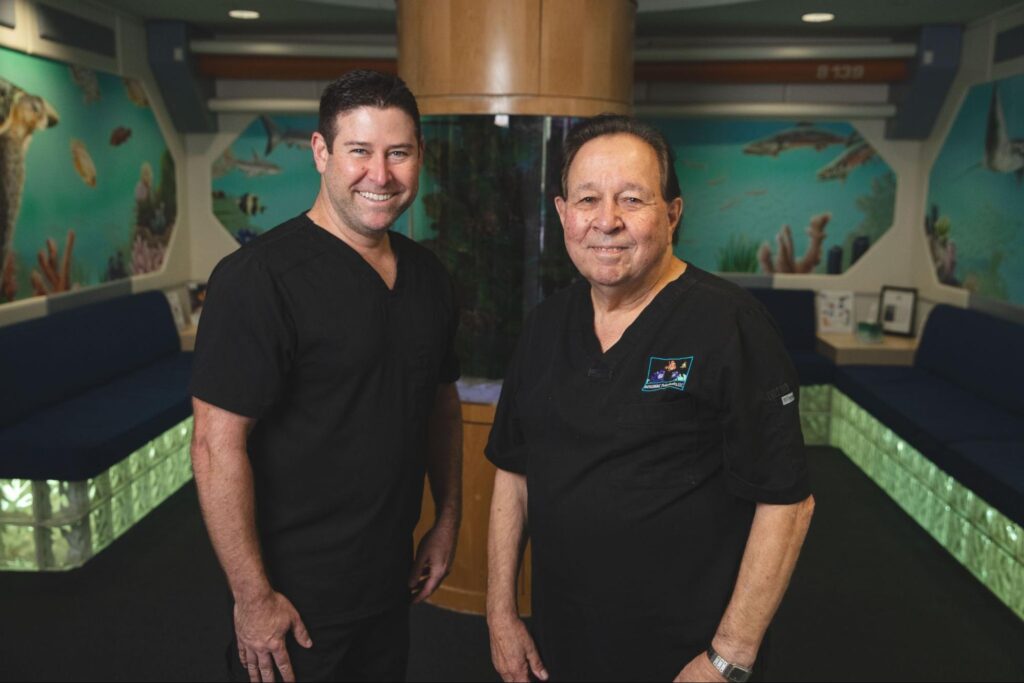
Dr. Stephen, Dr. Brian, and Dr. Dinesh at Bosonac Orthodontics get asked this constantly, and they would rather give you a real range than a comfortable one. Let’s break down what actually moves the number.
Typical Treatment Timelines
Here is roughly what to expect depending on what you are being treated with and what you are being treated for.
| Treatment | Typical range | Best for |
|---|---|---|
| Metal or clear braces | 18 to 24 months | Most cases, including complex bite correction |
| Clear aligners | 12 to 18 months | Mild to moderate crowding and spacing |
| Early treatment (phase one) | 6 to 12 months | Younger kids with developing jaws |
| Minor correction or relapse | 6 to 12 months | Small shifts, often after a retainer lapsed |
| Complex bite or jaw work | 24 to 36 months | Significant skeletal or bite issues |
These are averages, not promises. Dr. Stephen or Dr. Brian will give you a range specific to your case once they have seen your scans, and they will tell you if yours is likely to sit at the longer end.
What Affects the Length of Orthodontic Treatment?
Not all smiles follow the same roadmap. Some take the scenic route, others move full speed ahead. A few factors drive most of the difference.
- Complexity of tooth movement. Minor adjustments wrap up faster than cases involving bite correction or serious crowding. Moving a tooth two millimeters and rotating one ninety degrees are very different jobs.
- Age. Younger patients often see quicker results since their jaws are still growing. Adults get the same results, sometimes with a few extra months, because denser bone moves more slowly.
- Type of treatment chosen. Metal braces, clear aligners, and other appliances all work on slightly different timelines.
- Consistency. This is the one you control. Missed appointments, broken brackets, or aligners left in a case can add months.
How to Keep Your Treatment on Track
Braces and aligners won’t do all the work on their own. The team at Bosonac Orthodontics has seen firsthand how a few habits separate patients who finish on schedule from patients who finish six months late.
- Stick to your appointments. Regular check-ins are when adjustments happen. A skipped visit is not a neutral event, it is a month where nothing changes.
- Follow wear instructions. If you have clear aligners or rubber bands, wearing them as directed makes an enormous difference. Aligners need about 22 hours a day, and rubber bands only work when they are actually on.
- Protect your braces. Broken brackets and lost aligners mean setbacks. Skip the sticky and crunchy snacks, and if you are hitting the field, a mouthguard is your best defense against an unexpected delay.
- Keep your teeth and gums healthy. Cavities and gum issues can pause treatment entirely while they get sorted out. Brushing, flossing, and regular cleanings keep that from happening.

Can You Speed Up Orthodontic Treatment?
Somewhat, in specific cases. There is no way to cut a two year treatment in half, and anyone promising that is selling something. What follows can shave time off certain cases, and whether any of it applies to you is a conversation for your consultation rather than something to count on.
High-Frequency Vibration Devices
Tools like Propel or AcceleDent use gentle vibration to encourage faster tooth movement. Results vary quite a bit between patients, and the research is not as settled as the marketing suggests.
Self-Ligating Braces
These use a built-in clip instead of elastic ties, which reduces friction on the wire. Some cases move a little more efficiently as a result, and adjustment appointments tend to be quicker.
Shorter Aligner Change Cycles
Some patients can switch clear aligners every seven to ten days instead of every two weeks. This depends entirely on how your teeth are tracking, and it is a call your orthodontist makes, not one you make on your own.
Minor Surgical Assistance
In a small number of cases, minor procedures on the bone can help teeth move more efficiently. This is reserved for specific situations rather than offered routinely.
The honest answer is that the most reliable way to finish faster is still to follow the plan you were given.
What Can Slow Down Orthodontic Treatment?
Even with the best efforts, treatment sometimes runs long. Here are the reasons it usually happens, and most of them are avoidable.
Missed or Delayed Appointments
Regular check-ins are when the wire gets changed and progress gets measured. Pushing visits back a few weeks at a time adds up faster than most patients expect.
Not Wearing Aligners or Rubber Bands as Directed
Clear aligners need to be worn at least 22 hours a day, and rubber bands do the heavy lifting on bite correction. Wearing them part-time does not produce part-time results, it produces stalled ones.
Broken Brackets or Lost Aligners
Every broken bracket or missing tray costs time. Avoid hard and sticky foods, and keep aligners in their case rather than a napkin. Napkins get thrown away with impressive reliability.
Oral Health Issues
Cavities and gum problems can stall treatment while they get treated. Brushing, flossing, and keeping up with dental cleanings avoids the detour entirely.
What Happens After Braces or Aligners?
Getting braces off or finishing aligner treatment is a big moment, but there is one final step. Retainers. This is the part people underestimate, and it is the difference between results that last and results that quietly undo themselves over a few years.
Why Retainers Matter
Teeth naturally try to drift back toward their original positions, and the pull is strongest in the first year. Retainers hold everything where it belongs while the bone and ligaments settle around the new alignment.
Types of Retainers
- Removable retainers. Worn full-time at first, then nightly. Easy to clean, easy to lose.
- Fixed retainers. A small wire bonded behind the teeth for continuous support. Nothing to remember, but flossing takes a threader.
Caring for Your Retainer
- Brush daily with mild soap and a soft toothbrush. Toothpaste is abrasive and clouds the plastic over time.
- Store it in a case, never in a napkin.
- Keep it away from hot water, hot cars, and dishwashers. Heat warps it permanently.
Treatment Timeline FAQs
How long do braces take?
Most braces cases run 18 to 24 months. Simpler corrections finish sooner and significant bite work can run past two years. Your orthodontist will give you a range at your first visit once they have seen how far your teeth need to move.
How long do clear aligners take?
Usually 12 to 18 months, which is often a bit shorter than braces because aligner cases tend to be less complex to begin with. Wear time is the biggest variable. Patients who keep their trays in 22 hours a day stay on schedule, and patients who do not, do not.
Why is my treatment taking longer than I was told?
Usually one of four things. Missed appointments, inconsistent aligner or rubber band wear, repeated broken brackets, or a dental issue that needed treating first. Occasionally teeth simply move more slowly than expected, which is nobody’s fault. Ask your orthodontist directly and they will tell you which one it is.
How often will I have appointments?
Every four to eight weeks for braces, and often less frequently for aligners since you get several trays at once. Visits are usually 20 to 30 minutes.
How long do I have to wear a retainer?
Full-time for the first several months, then nightly. The honest answer on how long nightly lasts is indefinitely, because teeth keep trying to drift for the rest of your life. Once you are past the first year or two it becomes a few nights a week for most people.
Patience Pays Off, and So Does Your Smile
Good things take time, and orthodontic treatment is no exception. The finish line is not just about braces coming off, it is about a smile that holds up years later. Schedule your free consultation at our Brick or Clark office and we will give you a real timeline for your case rather than a guess.