Frequently Asked Questions
What types of orthodontic treatments does Garcia Orthodontics offer for all ages?
Garcia Orthodontics offers a variety of orthodontic treatments suitable for all ages, including traditional metal braces, ceramic braces, and clear aligners, ensuring personalized care to meet the unique needs of each patient.
What types of orthodontic treatments does Varble Orthodontics offer for all ages?
Varble Orthodontics offers a variety of orthodontic treatments for all ages, including traditional metal braces, ceramic braces, lingual braces, and clear aligners, ensuring personalized solutions for every patient's unique needs.
What age groups benefit from orthodontic treatments?
The age groups that benefit from orthodontic treatments include children, teens, and adults. Early assessment can lead to timely intervention, while treatments for older patients can enhance oral health and aesthetics at any age.
How do braces work for different ages?
Braces work by applying gentle pressure to teeth, gradually shifting them into proper alignment. For children, early intervention can guide jaw growth, while teens and adults may require more extensive treatment to correct alignment and bite issues.
What is the cost of orthodontic treatments?
The cost of orthodontic treatments varies based on individual needs and the type of treatment selected. Typically, prices can range from a few thousand to several thousand dollars, depending on factors like treatment duration and complexity.
Are there age restrictions for orthodontic care?
Orthodontic care is available for all ages, with no strict age restrictions. Early evaluation is recommended for children, but adults can also benefit from treatment to improve their oral health and achieve a beautiful smile.
How long do orthodontic treatments typically last?
Orthodontic treatments typically last between 12 to 36 months, depending on the complexity of the case and the specific treatment plan. Regular check-ups and adherence to the orthodontist's recommendations can influence the duration of the treatment.
What are the benefits of early orthodontic evaluation?
The benefits of early orthodontic evaluation include identifying potential issues early, allowing for timely intervention, which can lead to more effective treatment outcomes, improved oral health, and often shorter treatment times.
How do I choose the right orthodontist?
Choosing the right orthodontist involves considering their qualifications, experience, and patient reviews. It's also essential to assess the office environment and the technology used to ensure you receive the best care for your orthodontic needs.
What are the signs that orthodontic treatment is needed?
The signs that orthodontic treatment is needed include overcrowded or misaligned teeth, difficulty in chewing or biting, persistent thumb sucking, and jaw pain or clicking. If you notice these issues, it's advisable to consult an orthodontist.
Can adults receive orthodontic treatment?
Adults can receive orthodontic treatment. In fact, many adults benefit from braces or aligners to improve their smile and oral health, making it a viable option at any age.
What types of braces are available for children?
The types of braces available for children include traditional metal braces, ceramic braces, and clear aligners. Each option offers unique benefits to suit different needs and preferences.
How does Invisalign work for teens and adults?
Invisalign works for teens and adults by using a series of custom-made, clear aligners that gradually shift teeth into their desired positions. Each aligner is worn for about two weeks before switching to the next, allowing for effective and discreet orthodontic treatment.
What is the process for starting orthodontic treatment?
The process for starting orthodontic treatment involves scheduling an initial consultation, during which a thorough examination and assessment of your dental health will be conducted, followed by a personalized treatment plan tailored to your needs.
Are there payment plans for orthodontic services?
Payment plans for orthodontic services are available at Bosona Orthodontics, making it easier for patients to manage their treatment costs while ensuring access to quality dental care.
How often are follow-up appointments needed?
Follow-up appointments are typically needed every 4 to 8 weeks, depending on your treatment plan and progress. Regular visits ensure that your orthodontic treatment stays on track and adjustments can be made as necessary.
What should I expect during my first consultation?
During your first consultation, you can expect a comprehensive evaluation of your dental health, a discussion of your orthodontic goals, and a personalized treatment plan tailored to your needs.
How do orthodontic treatments improve oral health?
Orthodontic treatments improve oral health by aligning teeth and correcting bite issues, which enhances oral hygiene, reduces the risk of tooth decay, and prevents gum disease. Proper alignment also alleviates jaw pain and enhances overall dental function.
What are the risks of delaying orthodontic treatment?
The risks of delaying orthodontic treatment include potential worsening of dental issues, increased difficulty in achieving desired results, and prolonged treatment times. This can lead to more complex procedures and higher costs in the long run.
Can orthodontic treatments correct jaw alignment issues?
Orthodontic treatments can effectively correct jaw alignment issues. By utilizing braces or aligners, these treatments help realign the teeth and jaw, improving overall function and aesthetics.
What is the difference between traditional braces and Invisalign?
The difference between traditional braces and Invisalign lies in their design and application. Traditional braces use metal brackets and wires for alignment, while Invisalign utilizes clear, removable aligners for a more discreet treatment option.
How do retainers work after orthodontic treatment?
Retainers work after orthodontic treatment by holding teeth in their new positions, preventing them from shifting back. They provide stability and allow the surrounding bone and gums to adjust to the changes made during treatment.
What foods should be avoided with braces?
Foods that should be avoided with braces include hard items like nuts and hard candies, sticky foods such as caramel and taffy, and crunchy snacks like popcorn, as they can damage the braces and prolong treatment.
How can I maintain oral hygiene with braces?
Maintaining oral hygiene with braces is essential. Brush your teeth after every meal, use a soft-bristled toothbrush, and consider an interdental brush to clean around brackets. Floss daily and use an antibacterial mouthwash to reduce plaque buildup.
What are the latest advancements in orthodontics?
The latest advancements in orthodontics include the use of 3D printing for custom appliances, AI-driven diagnostics for personalized treatment plans, and innovative clear aligners that enhance comfort and aesthetics while improving treatment efficiency.
How do orthodontic treatments affect speech?
Orthodontic treatments can temporarily affect speech as the positioning of teeth and jaw changes. Patients may experience slight speech adjustments initially, but these typically resolve as they adapt to their new alignment.
What is the role of technology in modern orthodontics?
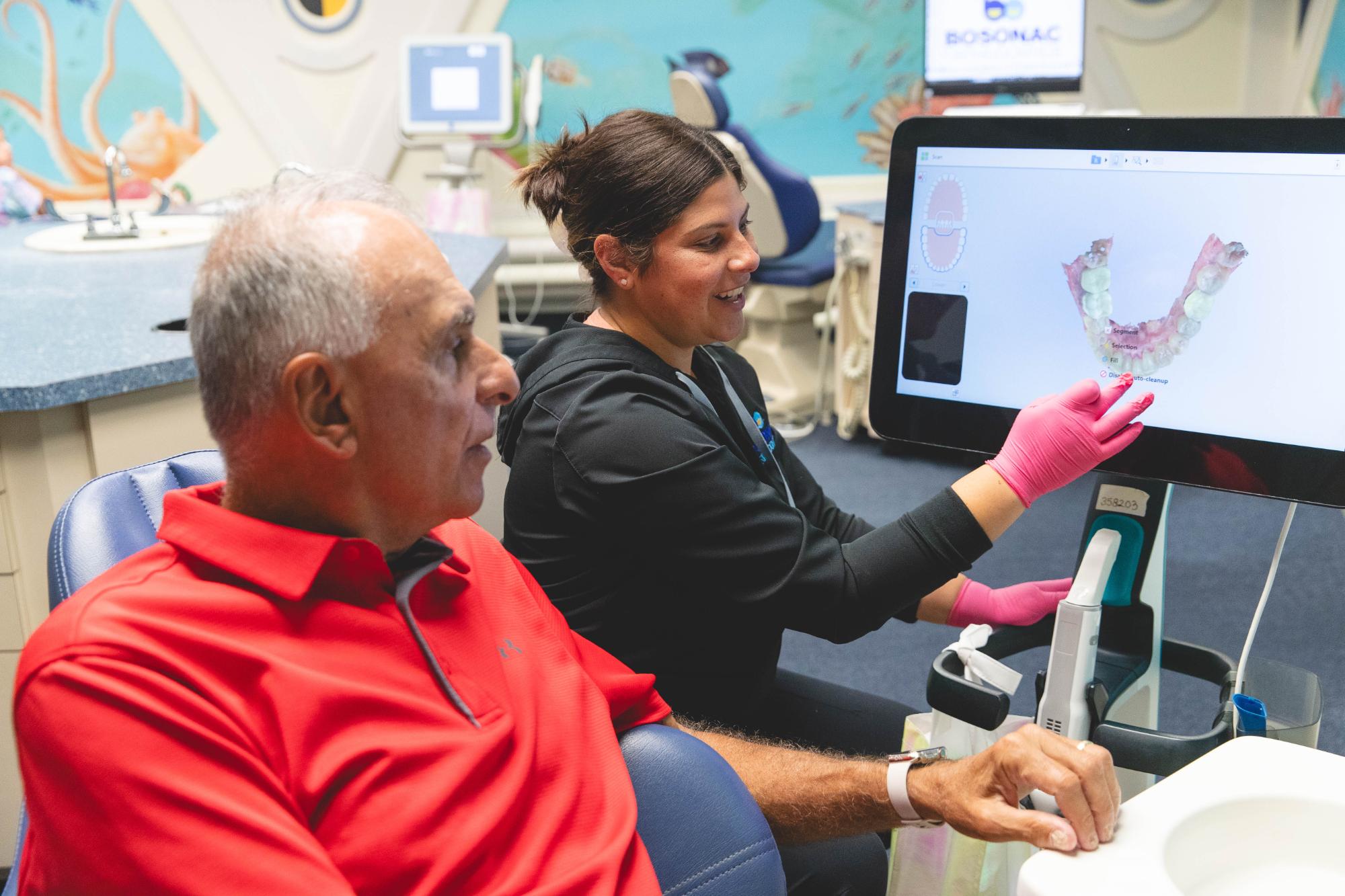
The role of technology in modern orthodontics is crucial, as it enhances treatment precision, improves patient comfort, and accelerates the overall process through advanced tools like digital imaging, 3D printing, and computer-aided design.
How can I prepare my child for orthodontic treatment?
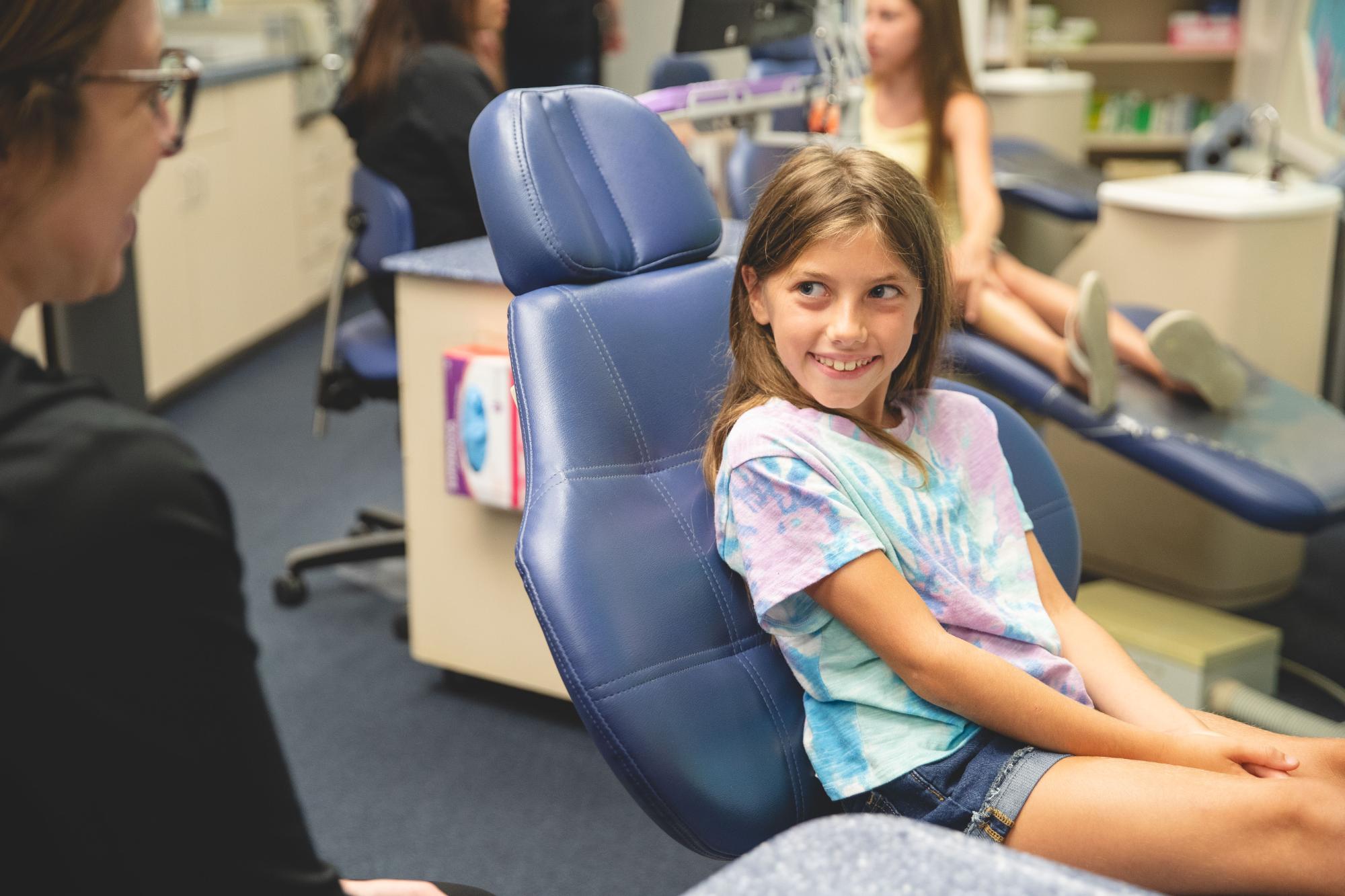
Preparing your child for orthodontic treatment involves explaining the process to them, ensuring they understand the importance of oral hygiene, and discussing any potential discomfort. Encouraging them to ask questions can also help ease their anxiety.
What are common misconceptions about orthodontics?
Common misconceptions about orthodontics include the belief that braces are only for children, that treatment is purely cosmetic, and that they are always painful. In reality, orthodontics benefits patients of all ages and significantly improves oral health.
How do orthodontic treatments impact self-esteem?
Orthodontic treatments can significantly enhance self-esteem by improving the appearance of one’s smile. A straighter smile often leads to increased confidence, allowing individuals to feel more comfortable in social situations and positively impacting their overall well-being.