

How old is too old for orthodontics? Is it too late to get the smile you’ve always wanted? The short answer is no, and it is not close. Dr. Brian, Dr. Stephen, and Dr. Dinesh have helped adults in their thirties, fifties, and seventies finish treatment with results they are glad they waited for. Our teams in Brick and Clark understand that adults have different needs and concerns than the teenagers in the next chair. Whether you are interested in metal braces, clear braces, or Invisalign, there is a solution that can work for you.
Why Orthodontic Treatment is Effective at Any Age
Orthodontic treatment can give you a brand new smile regardless of how old you are. It is not just for kids. Adults see the same results, and it is never too late to get an awesome smile.
Understanding How Orthodontics Works
Orthodontic treatment works by putting gentle, consistent pressure on your teeth. Over time, that pressure moves them into better positions. The mechanism is identical whether you are 15 or 75. Your teeth sit in bone that remodels around them throughout your entire life, which is exactly why teeth shift on their own as people age. That same biology is what lets us move them on purpose. Our offices in Clark and Brick have seen hundreds of happy grownups finish treatment with superstar smiles.
Unique Considerations for Adult Patients
Adults have a few extra things to think about, like bone density, existing dental work, and gum health. Our bones get denser as we age, so teeth tend to move a little more slowly. Gum health matters more too, since treatment on inflamed gums can cause problems that treatment on healthy gums does not. Dr. Brian, Dr. Stephen, and Dr. Dinesh will look at all of it before recommending anything, and build the plan around what your mouth actually needs.
Orthodontic Treatment for Seniors and Older Adults
Braces for older adults are more common than most people realize. A good share of our adult patient family is over 55, and some are well past 70. Nobody has ever walked in and been told they were too old.
There Is No Upper Age Limit
There is no age at which teeth stop responding to pressure. What matters is the health of the bone and gums holding those teeth, not the number on your driver’s license. A healthy 70 year old is a better candidate than an unhealthy 30 year old, every time. If your gums are sound and your teeth are stable, orthodontics for seniors works the same way it works for anyone else.
Why Older Adults Come In
The reasons tend to be different from what brings in a teenager. Here is what we hear most:
- Teeth that have shifted. Lower front teeth crowd up gradually over decades. Plenty of people had straight teeth at 25 and do not at 60.
- A retainer that got abandoned. Treatment finished in high school, the retainer went in a drawer, and things drifted back.
- Getting ready for other dental work. Sometimes a crown, bridge, or implant fits better once the teeth around it are properly positioned. Your dentist may have been the one to suggest it.
- Cleaning that has gotten harder. Crowded teeth trap plaque, and that matters more as you get older, not less.
- Jaw pain or wear. A bite that was manageable at 35 can start causing real problems after another 20 years of chewing.
Working Around Existing Dental Work
Most adults arrive with some history in their mouth. Crowns, bridges, implants, fillings, a missing tooth or two. None of that rules out treatment, it just changes how we plan it. Brackets bond differently to a crown than to natural enamel, and implants do not move at all, so they become fixed points we work around rather than teeth we reposition. Bring your dental records to your first visit and we will factor everything in from the start. If you have a general dentist you see regularly, we are happy to coordinate with them.
Benefits of Orthodontic Treatment for Adults
Orthodontic treatment can improve your oral health and boost your confidence at the same time. For adults, the benefits go well beyond appearance.
Improved Oral Health
Straight teeth are easier to clean. When your teeth are aligned properly, brushing and flossing actually reach the surfaces they are supposed to reach. Your teeth may look shinier, but the real win is avoiding cavities and gum problems. Healthier gums and teeth reduce your risk of more serious dental issues down the road. Orthodontic treatment sets the stage for better oral health now and in the future.
Enhanced Aesthetics and Confidence
A straighter smile can do amazing things for your self-esteem. You will see it in social and professional settings. When your teeth are properly aligned, you might find yourself smiling more often. Smiling positively affects how others see you, and how you see yourself. Whether it is a job interview or a night out, a confident smile makes a difference in your daily life.
Functional Improvements
Misaligned teeth (sometimes Dr. Stephen, Dr. Brian, and Dr. Dinesh call them “malocclusions”) cause more than cosmetic concerns. They can lead to jaw pain. You may also notice difficulty chewing and speaking. Orthodontic treatment corrects these functional issues and makes everyday activities more comfortable. Proper alignment also reduces the wear and tear on your teeth, which matters more the longer you have had them.
Exploring Treatment Options
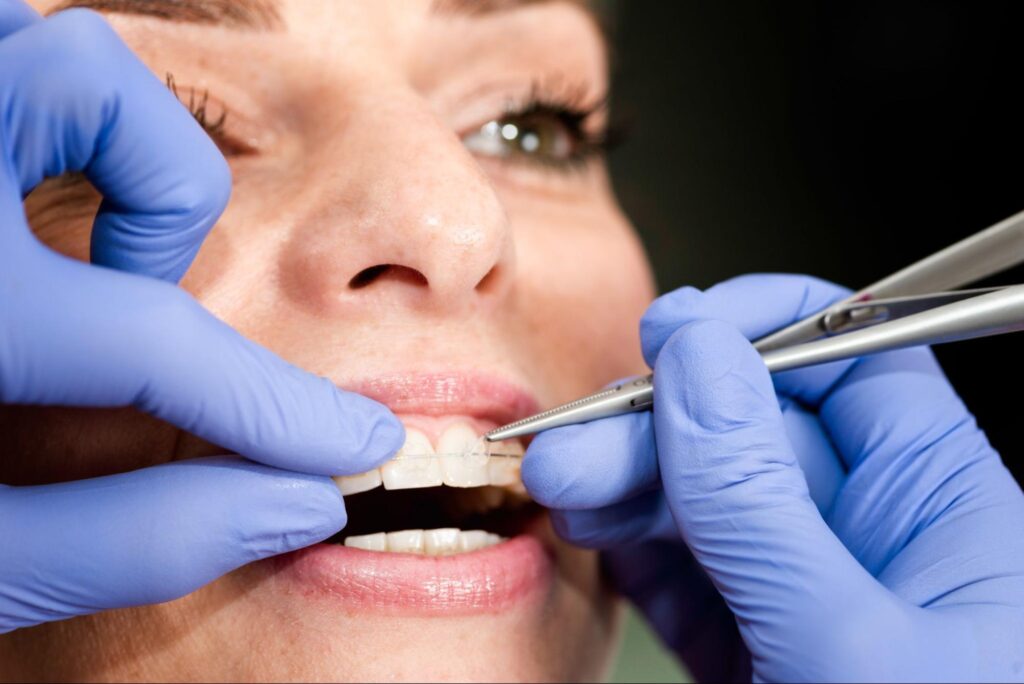
Adults have several good options for realigning their teeth. Our offices in Brick and Clark offer discreet treatments that fit around a working life rather than fighting it. Let’s take a closer look at the choices available, and at orthodontic care at every age.
Metal Braces
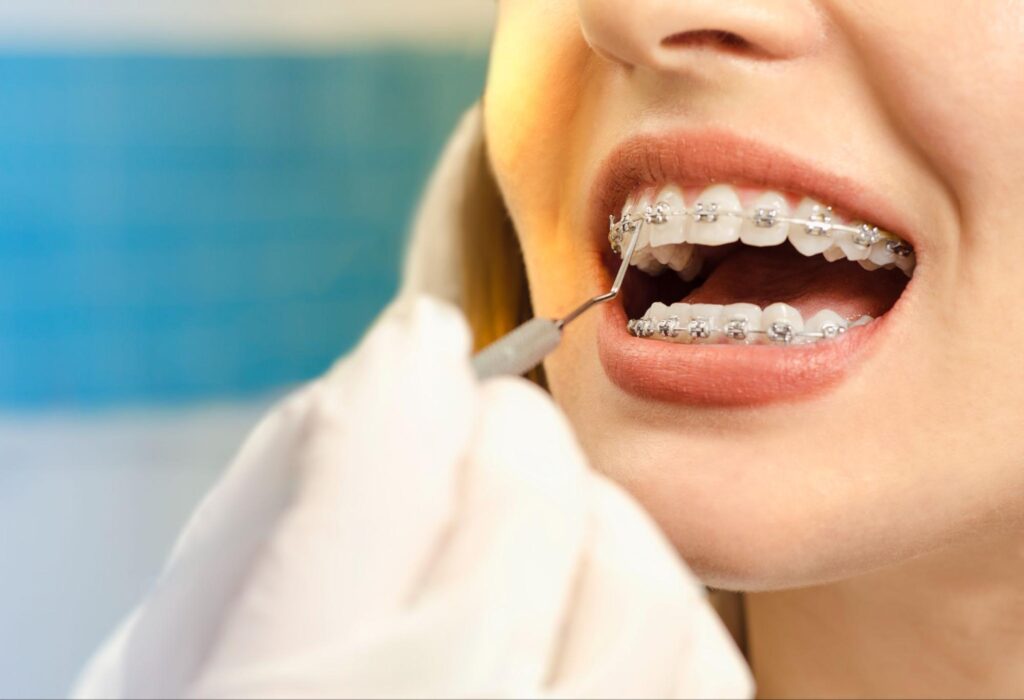
Metal braces are the tried-and-true go-to for repositioning teeth. They are durable and highly effective. While they are more noticeable than other options, today’s metal braces are smaller and fit better than ever before. They remain the most reliable choice for complex cases, which is why plenty of adults still pick them.
Clear Braces
Clear braces work like metal braces with one important difference. The brackets are made from ceramic that blends with your natural tooth color. That makes them a more subtle option for adults who want the control of fixed braces without the metal look. Ceramic brackets deliver similar results to metal.
Invisalign
Invisalign gives you an almost invisible way to straighten your teeth. It is a sequence of clear, removable aligners. It is popular with adults who want a flexible, comfortable treatment that does not interfere with their lifestyle. You can take the aligners out to eat, brush, and floss, which makes keeping up your oral hygiene routine much simpler.
Addressing Common Concerns
Starting orthodontic treatment as an adult can feel like a bigger decision than it did at 14. The time, the discomfort, the question of whether it is worth it at this point. Our doctors hear all of it. Let’s tackle the concerns that come up most.
Time Commitment
One of the biggest concerns for adults is how long treatment will take. Your exact time frame depends on your case. Most adult treatments run between 12 and 24 months, and older patients sometimes sit at the longer end of that range because denser bone moves more slowly. Advances in orthodontics have shortened things considerably though, and regular check-ins at our Brick or Clark offices keep everything moving.
Comfort
Worried about how braces or aligners will feel? That is completely normal. You will notice some pressure as your teeth begin to move, particularly in the first week and for a day or so after each adjustment. Today’s orthodontic options are designed with comfort in mind, and most patients adapt faster than they expect. If you ever need help managing the adjustment, our team is right there.
Fitting Treatment Into a Busy Life
Adults worry about appointments in a way teenagers do not, and fairly so. Adjustment visits are usually short, somewhere between 20 and 30 minutes, and they land every four to eight weeks rather than every couple of weeks. Aligner patients often come in even less often. We keep early and late slots open at both offices because we know most of our adult patients are squeezing us in between other things.

Adult and Senior Orthodontics FAQs
Is there an age limit for braces?
No. Teeth respond to steady pressure at any age because the bone around them remodels throughout your life. What matters is whether your gums and the bone supporting your teeth are healthy, not how old you are. We treat patients in their sixties and seventies regularly.
Does treatment take longer for older adults?
Sometimes, yes. Bone gets denser with age, so teeth can move a little more slowly. In practice that often means a few extra months rather than a fundamentally different timeline. Dr. Brian, Dr. Stephen, or Dr. Dinesh will give you a realistic range once they have looked at your scans.
Can I get braces if I have crowns, bridges, or implants?
Usually. Brackets bond to crowns using a different technique than they use on natural enamel, and it works fine. Implants are the one thing that will not move, so they become fixed reference points we plan around. Bring your dental records to your first visit so we can account for everything from day one.
Are clear aligners a good option for older adults?
For many people, yes. Aligners come out for meals and cleaning, which suits patients managing gum health or existing dental work. They handle mild to moderate crowding and spacing well. More complex bite corrections still tend to do better with fixed braces, and we will tell you straight which category you fall into.
My teeth shifted years after I had braces. Can that be fixed?
Yes, and it is one of the most common reasons adults come to see us. Teeth drift after treatment when retainers stop being worn, and lower front teeth crowd particularly reliably. Correcting a relapse is often a shorter, simpler course of treatment than the original one was.
Adult Treatment at Bosonac Orthodontics
Want to know more about braces for adults and seniors at Bosonac Orthodontics? Schedule your free consultation with Dr. Brian, Dr. Stephen, or Dr. Dinesh and we will give you a straight answer about what your teeth need. Our team will also walk you through your insurance and financing options so there are no surprises. We can’t wait to meet you at our Brick or Clark office.