
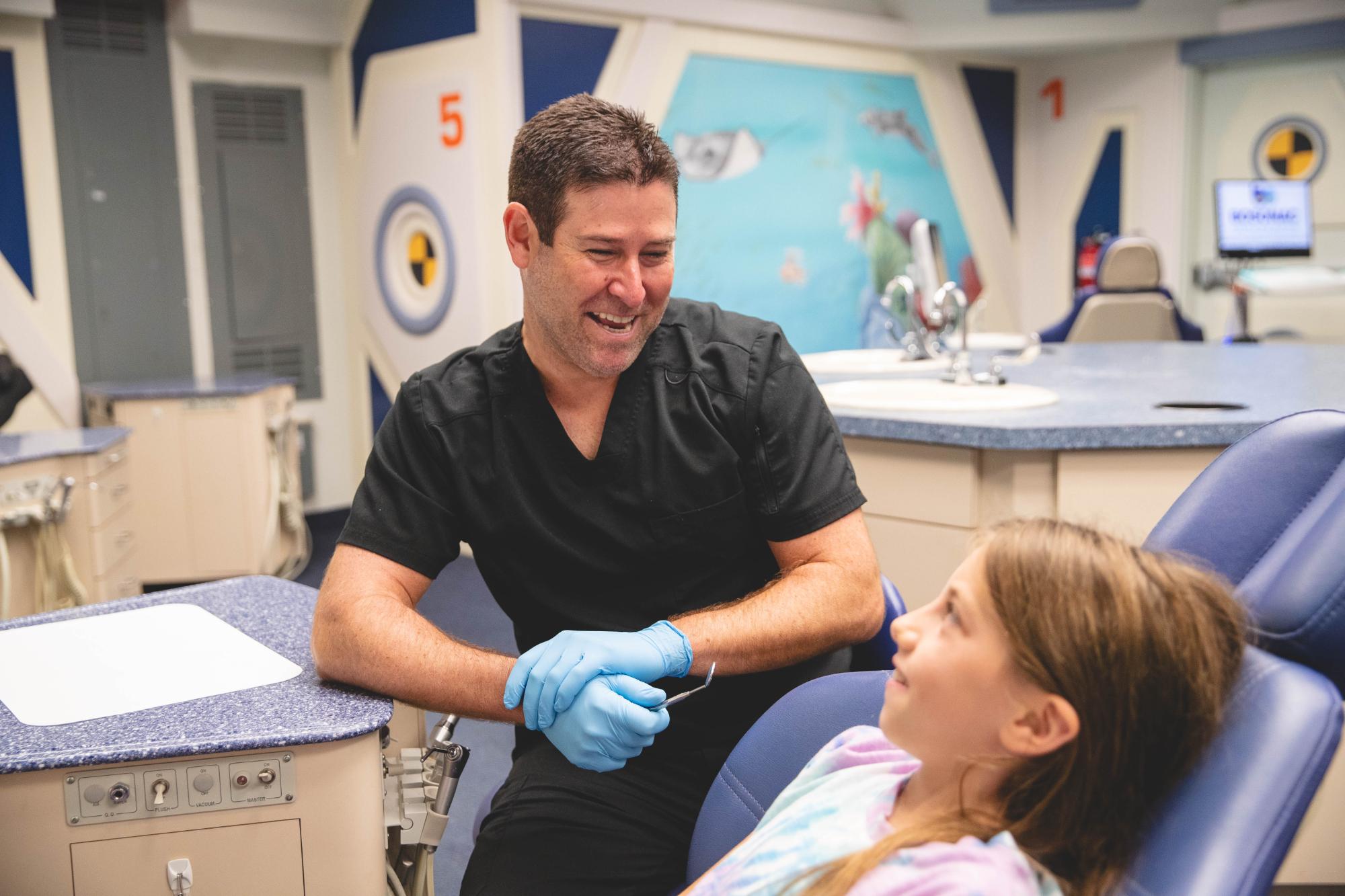
Finding the best orthodontist comes down to three things: specialty training, treatment options, and how a practice treats your family. An orthodontist completes two to three years of specialty residency after dental school, meaning they concentrate solely on tooth movement, bite correction, and jaw development. At Bosonac Orthodontics, our father-and-son team brings five decades of smiles to every visit.
What Makes the Best Orthodontist in Clark NJ?
An orthodontist is a dental specialist who completes two to three additional years of residency after dental school, focused entirely on tooth alignment, bite correction, and jaw development. While general dentists may offer braces or Invisalign, orthodontists train exclusively in moving teeth safely and predictably, which matters most for complex cases.
Here’s what sets a top orthodontist apart from a general dentist offering similar services:
- Specialty residency in orthodontics and dentofacial orthopedics
- Board eligibility or certification through the American Board of Orthodontics
- Active membership in orthodontic associations
- Daily focus on braces, aligners, and bite correction (not fillings or cleanings)
A great practice also gives you real options. At Bosonac Orthodontics, your smile has options, including metal braces, clear braces, and Invisalign for kids, teens, and adults. Dr. Stephen Bosonac and Dr. Brian Bosonac are diamond Invisalign providers, a credential earned by completing 400 or more Invisalign cases per doctor, which reflects significant case volume and clinical know-how with clear aligners.
Why does specialization matter so much? Complex cases like deep overbites, severe crowding, or jaw growth issues need a clinician who sees these patterns every day. A specialist can spot subtle problems early, plan more efficient tooth movement, and reduce the chance of needing a redo later.
Families searching for the best orthodontist in Clark NJ often want a team that combines old-school values with the latest technology. That mix tends to deliver more predictable smiles and a calmer experience for your family. When you compare practices, ask about residency training, association badges, and how many years the doctors have served their patient family.
How Orthodontic Treatment Works: Step by Step
Orthodontic treatment follows four clear steps: a free consult and digital records, a custom smile journey built around your goals, active treatment with braces or Invisalign, and a retention phase to keep your new smile straight. Most cases finish in 12 to 24 months, depending on complexity, age, and how closely you follow your doctor’s guidance.
Here’s what each step looks like at Bosonac Orthodontics:
Step 1: Free Consult and Digital Records
Your first visit is a free consult with Dr. Stephen Bosonac or Dr. Brian Bosonac. We’ll take digital photos, digital X-rays, and digital scans of your teeth. No goopy, gaggy impressions, just quick, comfortable imaging that lets us see your bite in 3D.
Step 2: Custom Smile Plan
Next, your doctor reviews your records and builds a treatment plan tailored to your bite, age, and lifestyle. You’ll see your options side by side, whether that’s metal braces, clear braces, or Invisalign. We’ll walk through timeline, cost, and what to expect at every stage, so nothing comes as a surprise.
Step 3: Active Treatment
Once you choose, treatment begins. You’ll come in every four to eight weeks for adjustments, aligner check-ins, or progress scans. This is the stage where your teeth are actively moving into their new positions.
Step 4: Retention
After your braces come off or your final aligner is finished, you’ll wear retainers to keep your teeth in place. Retention is a lifelong habit, and it’s what protects all the work you’ve put in.
Typical timelines run 12 to 24 months for full treatment, though shorter cases finish sooner. Kids in early intervention may have a first phase of six to twelve months, with a short break before phase two.
Why Choose a Top-Rated Orthodontist?
Choosing a top-rated orthodontist gives you access to better technology, more treatment options, and more predictable smiles than a general dental office can offer. Specialists see alignment cases all day, every day, which means fewer surprises, fewer setbacks, and a smoother experience for you and your family.
Key benefits of working with a specialty practice:
- Advanced technology. Digital scans, 3D imaging, and modern brackets mean faster visits and clearer treatment planning.
- More options. Top practices offer Invisalign, metal braces, clear braces, and early intervention under one roof.
- Predictable results. Specialist training means more accurate diagnosis and efficient tooth movement.
- Care for all ages. Smiles for all ages, from a child’s first evaluation to an adult considering Invisalign for the first time.
- Better oral health. Straight teeth are easier to clean, which lowers your risk of cavities and gum issues over time.
- Lower risk of redos. A specialist’s plan reduces the chance of needing additional treatment later.
There’s also the personal side. You’re never a number at Bosonac, and that matters when you’re investing in your family’s smiles. A practice that cares listens to your questions, explains your options in plain language, and treats every visit like it matters, because it does. For many families looking for the best orthodontist in Clark NJ, that personal attention is what seals the decision.
Invisalign vs Braces: Which Is Best?
Your smile has options, and the right choice depends on your case, age, and lifestyle. Invisalign uses nearly invisible removable aligners and works well for mild to moderate cases. Metal braces are durable and effective for complex corrections. Clear braces blend in with your teeth for a discreet look while still handling moderate to complex movement.
Here’s a quick side-by-side comparison:
| Feature | Invisalign | Metal Braces | Clear Braces |
|---|---|---|---|
| Visibility | Nearly invisible | Most visible | Subtle, tooth-colored |
| Removable | Yes | No | No |
| Best for | Mild to moderate cases | Complex corrections | Moderate cases, aesthetic-conscious patients |
| Eating restrictions | None (remove to eat) | Some foods to avoid | Some foods to avoid |
| Maintenance | Clean aligners, brush teeth | Brush around brackets | Brush around brackets |
| Typical timeline | 12 to 18 months | 18 to 24 months | 18 to 24 months |
| Comfort | Smooth plastic | Modern brackets are lighter and more comfortable | Smooth ceramic |
A few things to think about as you weigh your options:
- Lifestyle. If you play contact sports, give presentations at work, or want flexibility at meals, Invisalign’s removable design is a strong fit.
- Age. Teens often do great with metal braces (and love picking elastic colors). Adults frequently lean toward Invisalign or clear braces for a discreet look.
- Case severity. Complex bite issues, significant crowding, or major rotations often respond best to metal braces, though Invisalign has come a long way.
- Commitment. Invisalign only works if you wear your aligners 20 to 22 hours a day. Braces work around the clock without you having to think about it.
Dr. Stephen and Dr. Brian will walk through each option at your free consult, so you can pick the one that fits your life.
What Affects the Cost of Orthodontic Treatment?
Several factors shape your orthodontic cost: treatment type, case complexity, length of treatment, technology used, and your insurance coverage. A short Invisalign case for mild crowding costs less than a 24-month metal braces case for a complex bite. A free consult is the fastest way to get a clear picture of what your specific smile will involve.
What goes into the total cost:
- Treatment type. Metal braces, clear braces, and Invisalign each have different price points based on materials and lab work.
- Case complexity. Simple alignment costs less than full bite correction with jaw growth concerns.
- Length of treatment. Longer cases require more visits, more adjustments, and more materials.
- Technology. Digital scans, 3D treatment planning, and modern bracket systems add value and often shorten treatment time.
- Insurance and payment plans. Orthodontic insurance benefits vary widely. Many families use flexible financing to spread payments out over the course of treatment.
At Bosonac Orthodontics, we offer flexible financing options so cost doesn’t get in the way of your family’s smile. Your free consult includes a full breakdown of your investment, what your insurance may cover, and the monthly payment options available to you. No guessing, no pressure.
The American Association of Orthodontists describes most orthodontic treatment as a one-time investment with lasting benefits for oral health, function, and confidence.
Are You a Candidate for Orthodontic Treatment?
Most people are candidates for orthodontic treatment, regardless of age. Age is rarely the barrier people assume it to be. Common reasons to see an orthodontist include crowding, gaps, overbite, underbite, crossbite, and jaw alignment concerns. Kids should have their first evaluation around age seven. Teens are the most common age group for braces or Invisalign. Adults have more discreet options today than ever before, and many start later in life with great results.
Here’s how it breaks down by age group:
Kids (Ages 7 to 10)
The American Association of Orthodontists recommends a first evaluation by age seven. At this age, enough permanent teeth have come in for your doctor to spot issues like crossbites, crowding, or jaw growth concerns. Early intervention doesn’t always mean early treatment, sometimes we just monitor growth and step in at the right moment.
Teens (Ages 11 to 17)
Teens are the most common age group for braces and Invisalign. Their jaws are still growing, which makes tooth movement efficient. Most teens choose metal braces, clear braces, or Invisalign Teen based on their style and activities.
Adults (Age 18+)
It’s never too late. Adult patients make up a growing part of our patient family, and many choose Invisalign or clear braces for a discreet look. Whether you had braces as a kid and saw some shifting, or you’re considering treatment for the first time, your smile has options. Plenty of adults across Clark NJ tell us they wish they’d started sooner.
A free consult is the best way to know for sure. Your doctor will examine your bite, review your goals, and let you know whether treatment makes sense now, later, or not at all.
Frequently Asked Questions About Choosing an Orthodontist
How do I know if an orthodontist is qualified?
Look for someone who completed a specialty residency in orthodontics after dental school, holds active membership in orthodontic associations, and offers a range of treatment options. Reading reviews, asking about board status, and meeting the doctor at a free consult are all good ways to confirm fit and qualifications.
How long does orthodontic treatment take?
Most full treatment cases run 12 to 24 months, depending on case complexity, age, and how well you follow your doctor’s guidance. Mild Invisalign cases may finish in under a year, while complex bite corrections can take longer. Your doctor will give you a clear timeline at your free consult.
Is Invisalign as effective as braces?
For mild to moderate cases, Invisalign is highly effective and can deliver results similar to braces. For very complex corrections or significant jaw issues, metal braces are sometimes the better choice. The key is wearing your aligners 20 to 22 hours a day if you choose Invisalign, since they only work when they’re in.
What age should my child first see an orthodontist?
The American Association of Orthodontists recommends a first evaluation by age seven. By this age, your child has enough permanent teeth for your doctor to spot developing issues. Early evaluation doesn’t mean early treatment, but it gives your doctor a chance to monitor jaw growth and step in at the right moment.
Does insurance cover orthodontic treatment?
Many dental insurance plans include some orthodontic benefit, though coverage varies widely by plan. Some cover a percentage of treatment up to a lifetime maximum, while others have age limits. Our team will review your benefits at your free consult and explain what’s covered, plus our flexible financing options for the rest.
Can adults still get braces or aligners?
Absolutely. Adults make up a growing part of orthodontic practices, and modern options like Invisalign and clear braces make treatment discreet. As long as your teeth and gums are healthy, you’re a candidate at any age. Many adults tell us they wish they’d started sooner.
Ready to see what your smile could look like? Schedule a free consult with Dr. Stephen Bosonac or Dr. Brian Bosonac at Bosonac Orthodontics. Our convenient locations welcome kids, teens, and adults, and we’d love to be part of creating generations of lifelong smiles for your family.